03 Mar 2026
Albania Travel Guide: Hidden Gem of Europe
Exploring Albania: A Hidden Gem in Europe
When you picture a perfect Mediterranean beach, your mind probably flies to Greece or Croatia. But what if one of Europe's most beautiful and affordable coastlines has been hiding in plain sight? Tucked just across the Adriatic Sea from the heel of Italy, with Greece to its south, lies Albania, a country that travel experts at publications like Condé Nast Traveler are increasingly calling Europe's next great destination.
So, how has an entire country with a stunning coastline remained a secret for so long? For nearly half a century, Albania was completely sealed off from the world under a uniquely isolating communist regime, leaving it a blank spot on most travel maps. Its story is one of emerging from this profound isolation, a past that makes its vibrant present feel even more remarkable. The nation’s history has made it one of the most distinctive places on the continent.
Today, exploring Albania feels like being let in on a fantastic secret. This is a land of contrasts, where you can wander through ancient UNESCO World Heritage cities in the morning and relax on pristine, crowd-free beaches by the afternoon. It is a true hidden gem in Europe, offering jaw-dropping landscapes and a famously warm culture that is just now stepping into the global spotlight.
Your Map to Europe's Most Surprising Coastline: The Albanian Riviera
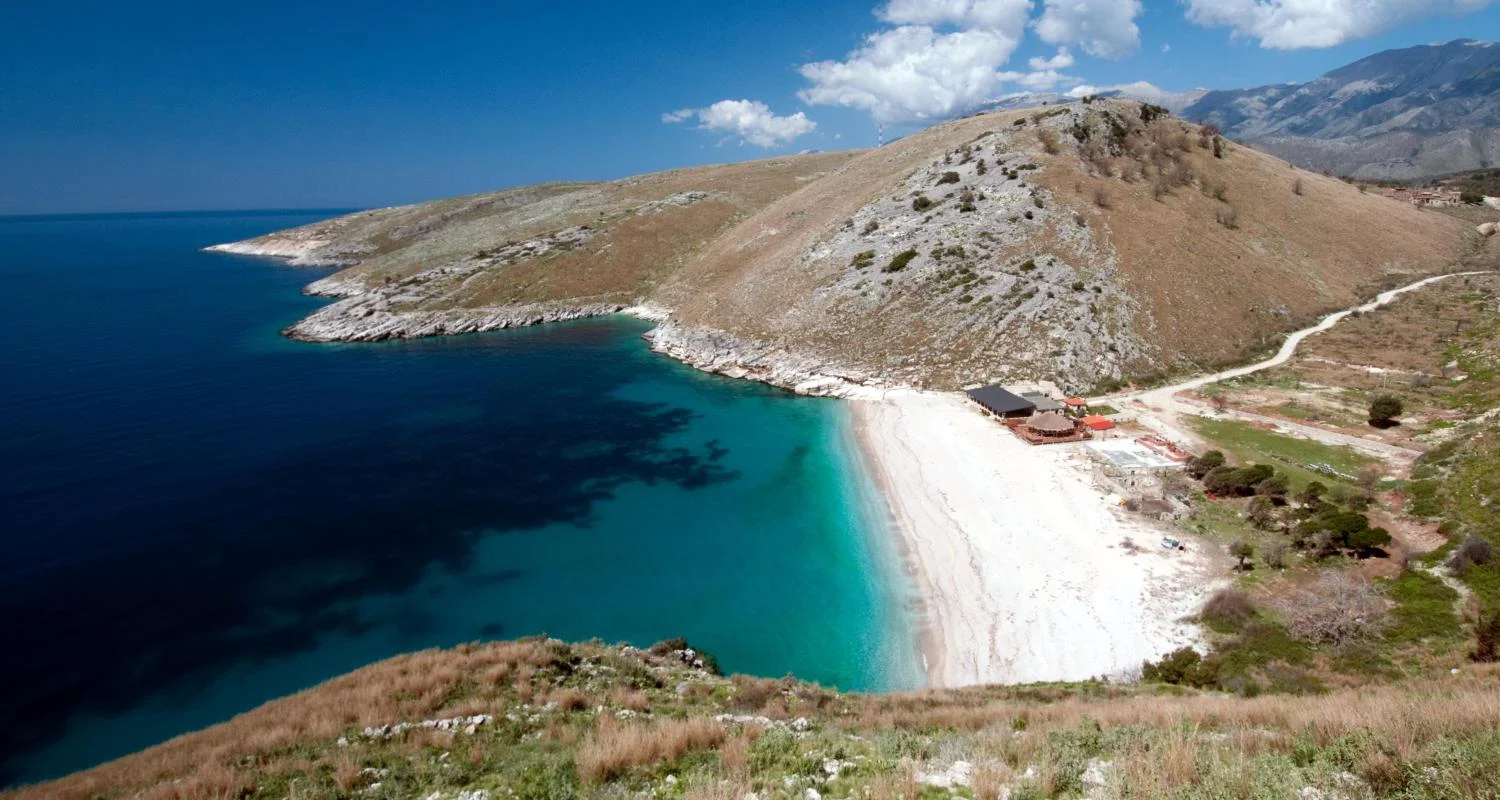
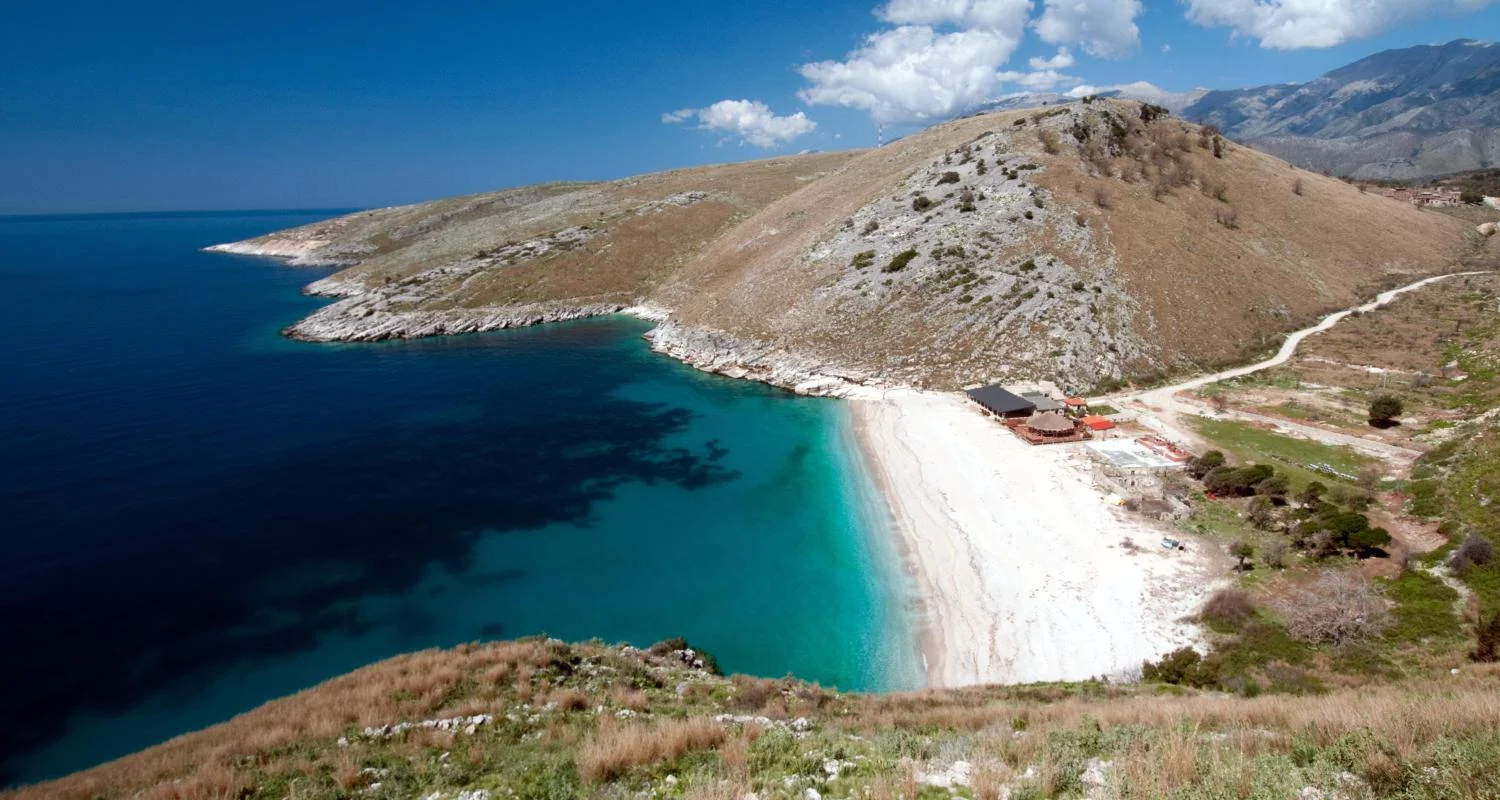
Stretching south along the Ionian coast, the Albanian Riviera is a breathtaking chain of pearl-white beaches and cliff-side villages nestled against rugged mountains. It’s the same crystal-clear turquoise sea you’ve dreamed of, but with a raw, undiscovered feeling its more famous neighbors lost decades ago. This is Europe’s best-kept secret, hiding in plain sight.
To experience this paradise at its most serene, timing is everything. While July and August draw lively crowds, the shoulder seasons are a traveler’s dream. The best time to visit the Riviera is in May, June, or September, when you’ll be greeted by sun-drenched days, warm water perfect for swimming, and plenty of space to lay down your towel. It’s the ideal balance of perfect weather and peaceful relaxation.
But what truly makes the Albanian Riviera stand apart is the stunning value. Imagine enjoying fresh seafood dinners overlooking the sea or renting a sunbed on a pristine beach for just a few dollars. Here, a European coastal holiday is accessible without the eye-watering price tag of its counterparts. This affordability is a direct result of the country’s unique past, which begs the question: why was this paradise hidden from the world for so long?
The Story of 170,000 Bunkers: Why Albania Was a 20th-Century Mystery
That stunning coastline was hidden from the world for a simple, yet shocking reason: for nearly half a century, Albania was Europe’s North Korea. Following World War II, the communist dictator Enver Hoxha sealed the country’s borders, plunging it into a state of extreme paranoia and isolation. Distrustful of the outside world—including both Western nations and its former allies—Albania became a fortress, a mysterious blank spot on the European map.
Hoxha’s deep-seated fear of an invasion that never came resulted in one of the most peculiar and visible legacies of the 20th century: the bunkers. He ordered the construction of more than 170,000 of these concrete domes, enough to arm and shelter a huge portion of the population. You will see them everywhere. These strange, mushroom-shaped structures dot the landscape, emerging from rolling green hills, standing guard on once-empty beaches, and hiding in plain sight in city neighborhoods.
Today, these relics of a difficult past are being creatively reclaimed. Instead of reminders of fear, many have become canvases for street art, quirky backdrops for cafés, or even transformed into small museums and guesthouses. The bunkers are a constant, tangible symbol of Albania’s history—a story of turning isolation into a unique and welcoming identity. This spirit of reinvention is everywhere you look, especially in the vibrant flavors of its long-hidden cuisine.
What to Eat in Albania: A Foodie's Guide to 5 Unforgettable Tastes
Just as its history was hidden, Albania's food has been one of Europe’s best-kept secrets. The cuisine is a delicious blend of Mediterranean freshness and hearty Balkan influences, built around local ingredients like fresh vegetables, olive oil, and tender grilled meats. Forget complex menus; traditional Albanian food is all about honest, satisfying flavors that feel like a home-cooked meal, even in a restaurant.
To truly taste the country, there are a few essential dishes. Start your day with a warm slice of Byrek, a flaky pastry pie filled with savory spinach, cheese, or meat—it’s the nation’s favorite go-to snack. For a national classic, order Tavë Kosi, a surprisingly comforting dish of tender lamb and rice baked in a rich, tangy yogurt sauce. And you can’t go wrong with Qofte, perfectly seasoned grilled meatballs that are a staple everywhere from roadside grills to family tables.
Beyond the food, you'll inevitably be offered Raki. This potent, often homemade fruit brandy is more than a drink—it's a symbol of hospitality. Served in small glasses, it’s meant for sipping during a toast or a long conversation. Accepting a glass is a sign of respect, and while it's strong, it's always shared with a warm spirit of connection that makes you feel like an honored guest.
While the savory dishes are unforgettable, don't miss out on the fresh produce—after all, the national fruit of Albania is the cherry. This love for simple, natural ingredients is part of what makes the country so special. But beyond the welcoming food culture, what is it actually like to navigate this emerging destination?
Is Albania Safe for Travelers? A Realistic Guide to Costs, Safety, and Transport
That warm spirit of hospitality extends to everyday life, which brings up a question many travelers have: is Albania safe? The answer is a resounding yes. Violent crime rates are low, and the cultural emphasis on respecting guests makes for a welcoming atmosphere. Many people, including solo female travelers, report feeling safer here than in other major European destinations. While you should always take standard precautions, the country is overwhelmingly secure and friendly.
Beyond its safety, Albania is one of Europe’s most affordable destinations. The value for money is exceptional, making it possible to have an incredible experience without breaking the bank. A comfortable average cost for a 7-day trip can be as little as $500-$800 per person. This budget easily covers charming guesthouse accommodations, fantastic meals, and local transport, allowing you to immerse yourself fully in the culture.
Getting around without a car is surprisingly straightforward, thanks to the country’s informal but effective transport network. Alongside regular buses, you’ll find furgons. Think of these as shared minibuses that act as the backbone of budget travel. They don't run on a strict timetable; instead, they typically leave when full, connecting cities, towns, and even remote villages. It’s an authentic, cheap, and efficient way to see the country.
With a safe environment, a low budget, and an easy way to navigate the country, Albania opens up for exploration. This accessibility makes it simple to venture beyond the stunning coastline and discover the nation’s other treasures—the ancient ruins and historic cities that tell the story of its deep and fascinating past.
Beyond the Beaches: Visiting Albania's UNESCO Cities and Ancient Ruins
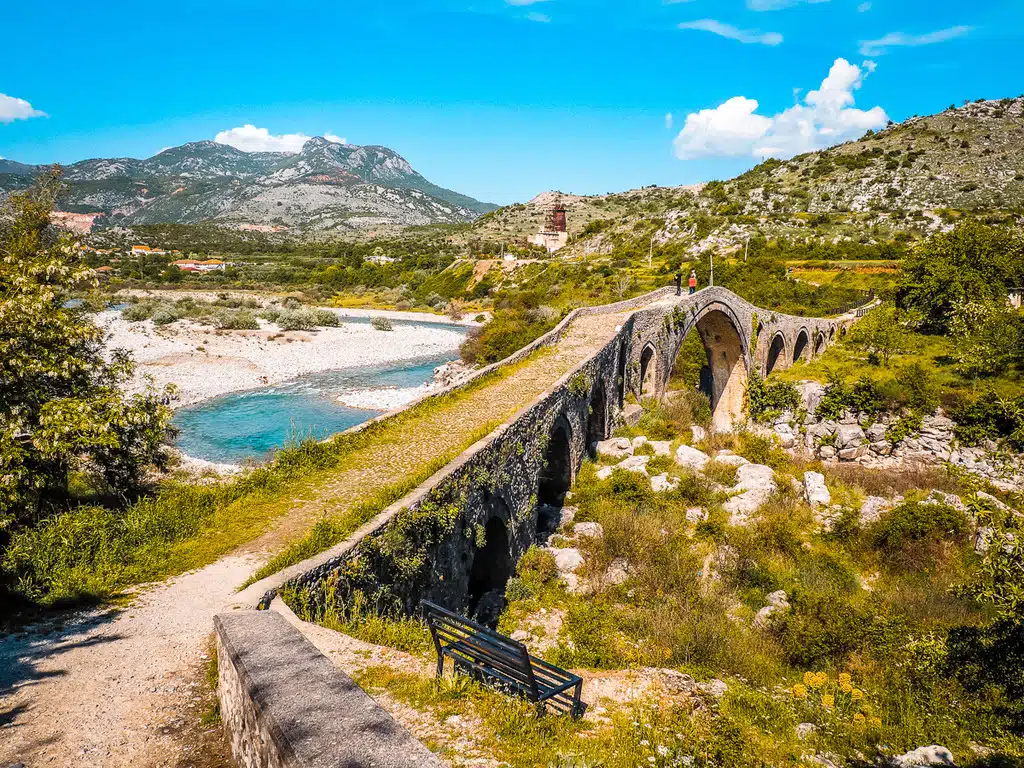
Venturing inland reveals a story centuries older than Albania’s recent past. The country is home to two stunningly preserved UNESCO cities that feel like living museums. When visiting Berat, a UNESCO city, you'll see why it's called the 'City of a Thousand Windows'—its white Ottoman houses seem to be stacked one on top of the other, their dark-framed windows gazing out from a steep hillside. In contrast, Gjirokastër presents a more formidable character. Known as the 'City of Stone,' it is defined by its slate-roofed stone houses and the imposing Gjirokastër castle that dominates the skyline, offering a glimpse into a more fortified, medieval world.
Just a short trip south of the Riviera, the ancient world comes alive at Butrint National Park. Exploring these sprawling ancient ruins is like walking through a history book in the open air. Set within a lush, green peninsula, the park reveals layer upon layer of history: a Greek amphitheater, Roman baths, and the remnants of a grand Byzantine basilica. Unlike a typical museum, Butrint allows you to wander through 2,500 years of Mediterranean civilization, from Hellenic settlers to Venetian rulers, all in one mesmerizing place.
Together, these sites paint a picture of a nation with a deep and complex identity, far richer than its 20th-century isolation might suggest. They offer a profound sense of time and endurance. This ancient soul provides a stunning backdrop to the country’s modern-day energy and wild, natural beauty, which are most vibrantly on display in its transformed capital and rugged northern mountains.
From City Colors to Mountain Peaks: Modern Tirana and the Albanian Alps
Nowhere is Albania’s rebirth more visible than in its capital, Tirana. Once a landscape of grim, grey communist-era blocks, the city was given a new lease on life in the early 2000s when its artist-turned-mayor initiated a project to paint the buildings in bold, brilliant colors. This simple act was a powerful symbol of optimism, transforming the urban environment and the city’s spirit into one of vibrant, forward-looking energy.
The city itself is a joy to explore, and some of the best things to do in Tirana for free involve simply soaking up this unique atmosphere. You can:
Explore Skanderbeg Square, the city's grand central plaza surrounded by museums and historic buildings.
Wander through Blloku, the once-forbidden district for party elites, now the capital's trendiest neighborhood filled with vibrant cafes and boutiques.
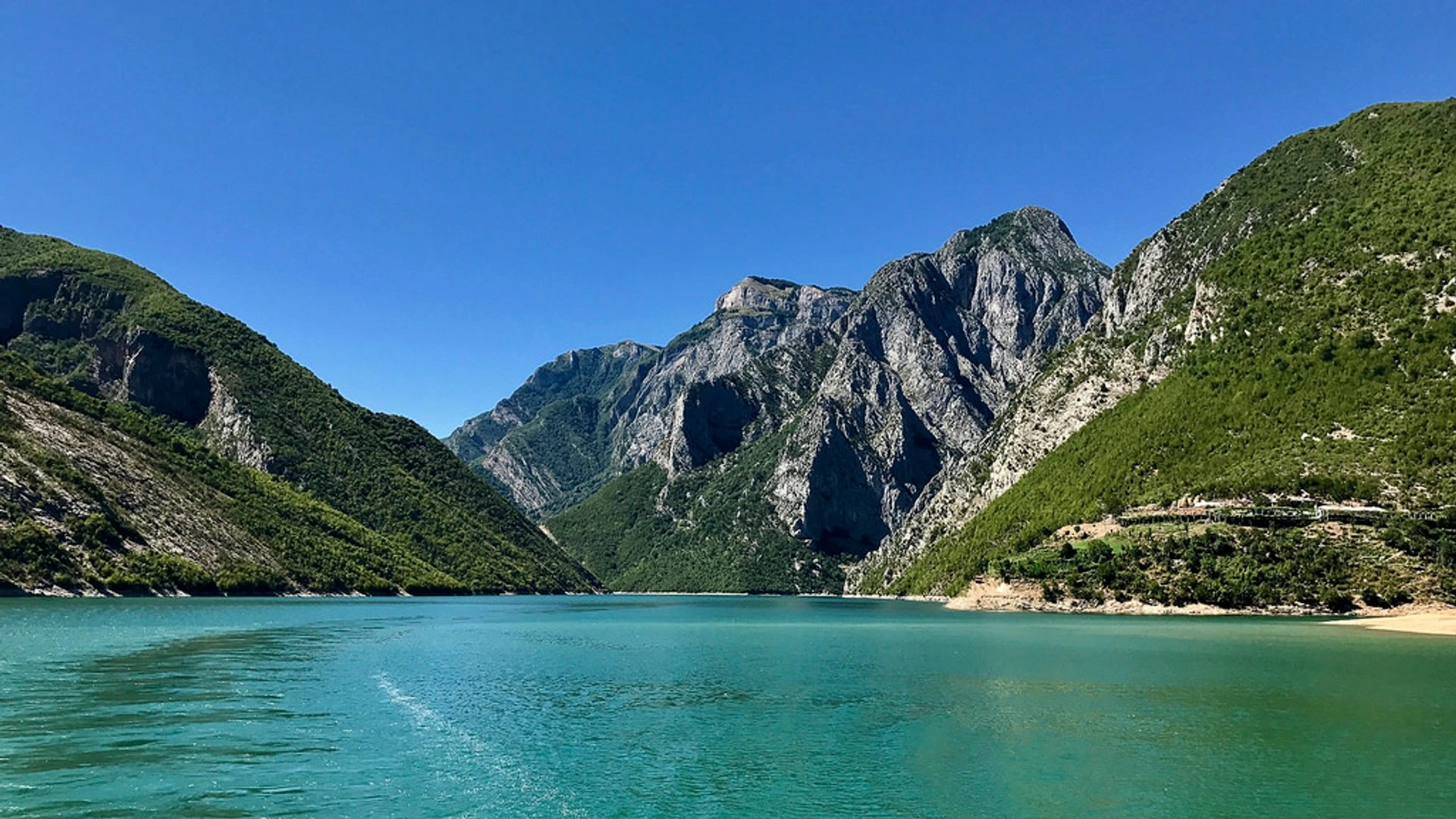
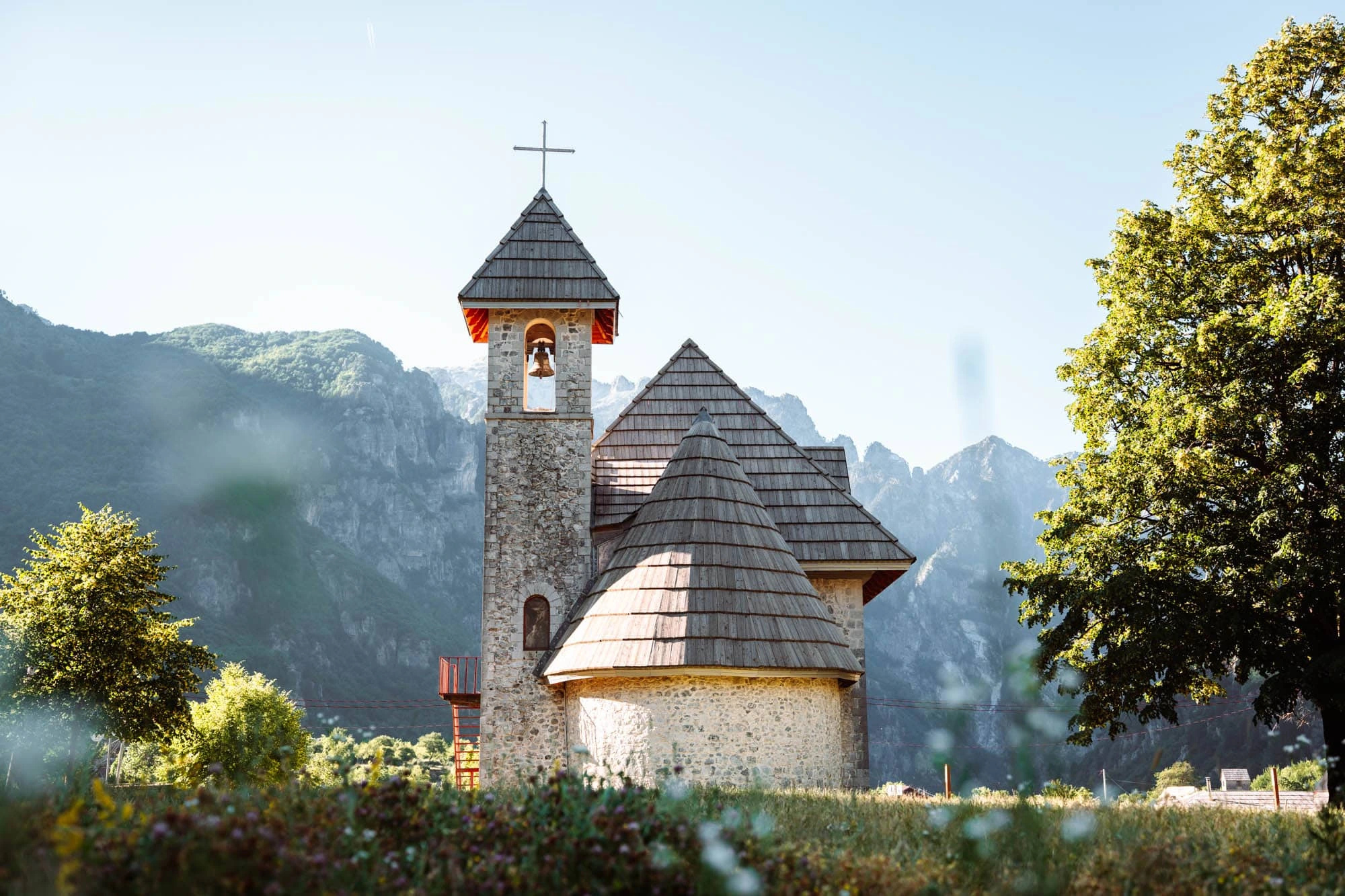
For a dramatic change of scenery, head north to the rugged and spectacular Albanian Alps. This remote region is home to Theth National Park, a paradise of jagged limestone peaks, deep valleys, and crystal-clear springs. The area is famous for its incredible hiking trails in Theth National Park, including the legendary trek to Valbona, offering some of Europe’s most breathtaking and untouched mountain landscapes.
Your Albanian Adventure Is Calling
The name Albania is no longer just a space on a map. Where you once saw a question mark, you can now picture turquoise coastlines, a history of fascinating isolation, and a culture of profound hospitality. You’ve journeyed past outdated headlines and discovered a nation in the middle of a vibrant transformation, moving from Europe’s best-kept secret to its most exciting new chapter. For you, at least, the secret is out.
This insight can reshape your travel plans. You now understand that a trip here is more than just a holiday; it’s an experience woven from three distinct threads: the stunning, affordable lure of the coast; the deep substance of its unique history; and the welcoming heart of its people. To visit Albania is to find one of the last true European hidden gems, a place that rewards the curious traveler at every turn.
So, the next time you’re planning a European escape, look past the familiar. Let your curiosity guide you to the place that offers a front-row seat to a country’s beautiful rebirth. The beaches, the mountains, and the people are all waiting. Albania is ready for you
Keep Reading