04 Mar 2026
Discover Albania: Scenic Adventures & Hidden Gems
Outdoor Activities and Adventures in Albania
When you picture Albania, what comes to mind? For many, it’s a black-and-white image of a forgotten corner of communist Europe. The reality, however, is a sun-drenched coastline that rivals Italy’s, with mountains that seem to tumble directly into the brilliant turquoise sea and a culture so welcoming it’s a national point of pride.
For nearly half a century, Albania was almost completely sealed off from the world, a period of intense isolation that preserved its stunning natural beauty. This unique history is precisely why the country, according to travel publications like Condé Nast Traveler, feels so refreshingly untouched and affordable compared to its famous neighbors.
Now, with its doors wide open, the country has become a playground for adventurers. The sheer variety of outdoor activities in Albania is staggering. You can spend one day kayaking the pristine waters of the Balkan Riviera and the next hiking through the remote, jagged peaks of the Accursed Mountains, often called the "Albanian Alps."
This isn't just a place to visit; it’s a land to be discovered. From ancient Roman trails to hidden coves you’ll have all to yourself, Albania offers a rare chance to explore a corner of Europe that feels both timeless and thrillingly new.
Discover the Albanian Riviera: Europe's Last Undiscovered Coastline
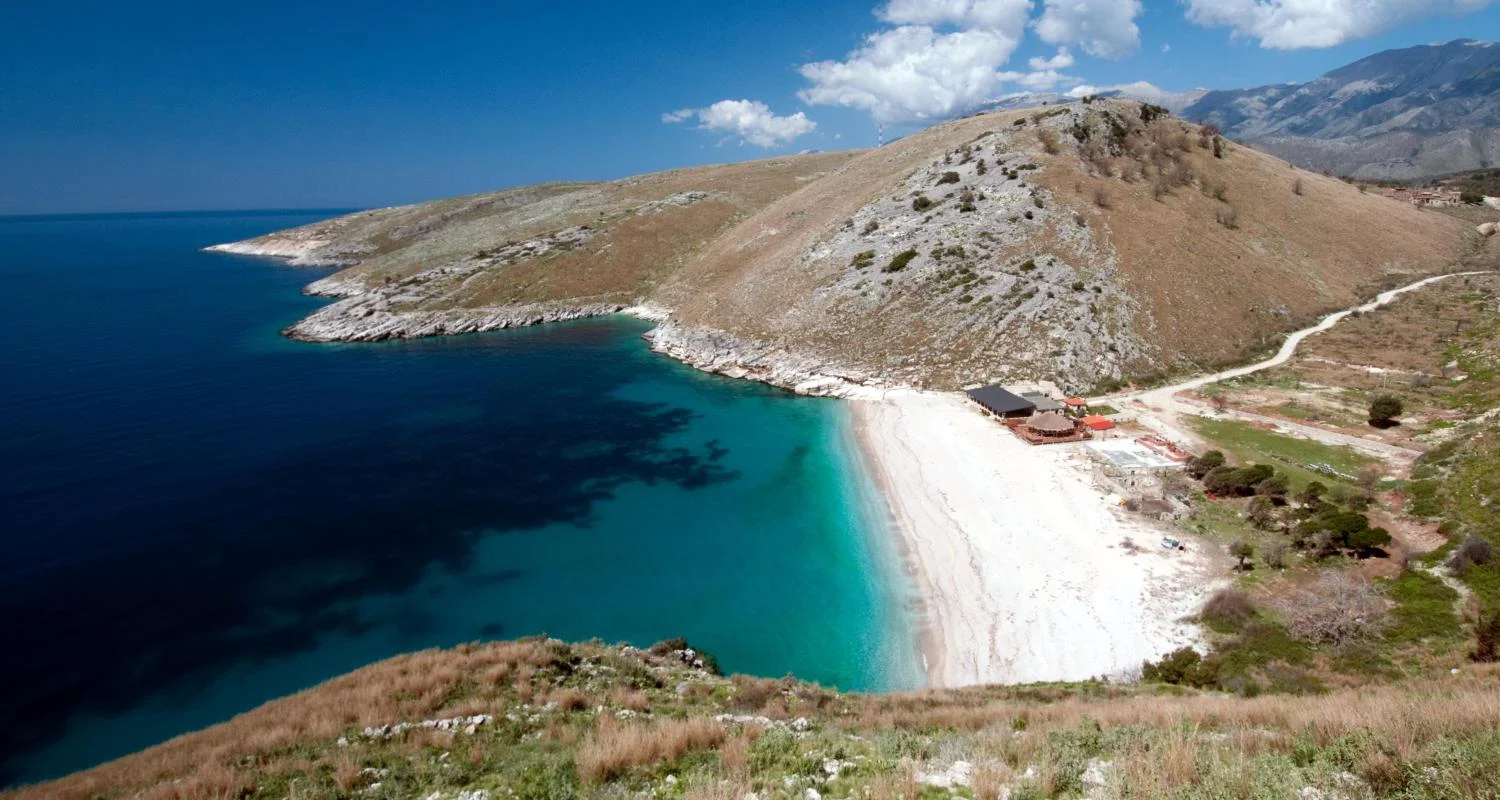
When people dream of a Mediterranean getaway, they often picture Greece or Italy. But just across the water lies the Albanian Riviera, a stunning stretch of coastline along the country’s southern Ionian coast. Imagine the same brilliant turquoise sea, but with a wilder feel and fewer footprints in the sand. This is where you’ll find secluded pebble beaches tucked beneath dramatic cliffs and sleepy seaside villages that seem to have sidestepped time.
Getting to this coastline is an adventure in itself. The journey often involves driving over the Llogara Pass, a breathtaking mountain road that climbs over 3,000 feet before spectacularly descending toward the sea. After navigating its hairpin turns, the entire Riviera unfolds below you in a panorama of blue water and green hillsides. It’s a moment that makes you feel like you’ve stumbled upon one of Europe’s last great secrets.
Beyond the stunning scenery, the Riviera’s greatest appeal is its value. Here, a fresh seafood lunch at a waterfront taverna can cost a fraction of what you’d pay in neighboring countries. This combination of unspoiled beauty, affordability, and authentic charm makes the Albanian Riviera a compelling alternative for anyone seeking an unforgettable coastal escape without the crowds.
How to Find Your Perfect Beach: From Ksamil's Crowds to Hidden Ionian Coves
Once you’re on the Riviera, the biggest question is where to lay your towel. You’ve likely seen photos of Ksamil, a village near the Greek border, often nicknamed the "Maldives of Europe." With its brilliant sand and tiny islands you can swim to, it’s undeniably beautiful. However, that beauty means it gets incredibly popular in summer, with beach chairs packed tightly and music filling the air. It’s perfect if you’re seeking a vibrant, social atmosphere with every amenity at your fingertips.
For a more relaxed experience, look north towards the larger coastal villages of Dhërmi and Himara. The beaches here are typically long stretches of smooth white pebbles, which helps keep the water exceptionally clear and turquoise. You’ll find far more space to spread out, with a dramatic backdrop of mountains tumbling down to the sea. While these towns have plenty of charming cafes, the overall pace is slower and geared more toward soaking in the stunning natural scenery.
For Buzz & Beauty: The Ksamil area offers a stunning, lively scene with full services, but expect significant summer crowds.
For Peace & Scenery: The beaches around Dhërmi and Himara provide vast pebble shores, crystal-clear water, and a more laid-back vibe.
Ultimately, the true magic of the Ionian coast is found on the road between these main hubs. Don’t be afraid to pull over where a dirt path seems to lead toward the water. More often than not, a short walk will reveal a secluded cove with no one else in sight—your own private slice of paradise.
Are You Brave Enough for the Accursed Mountains? A Hiker's First-Timer Guide
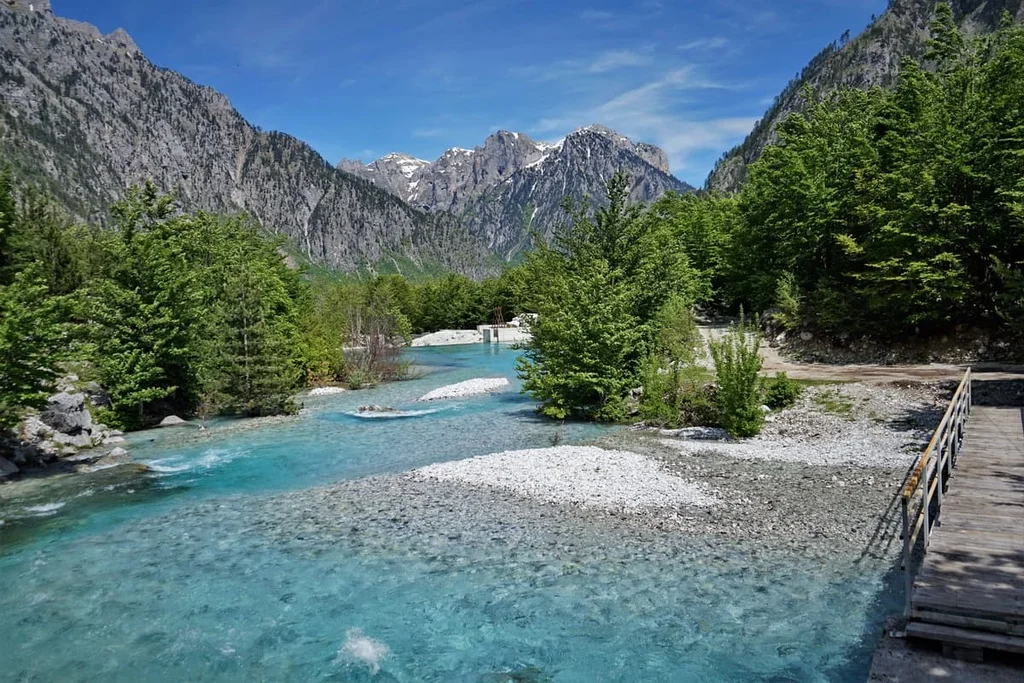
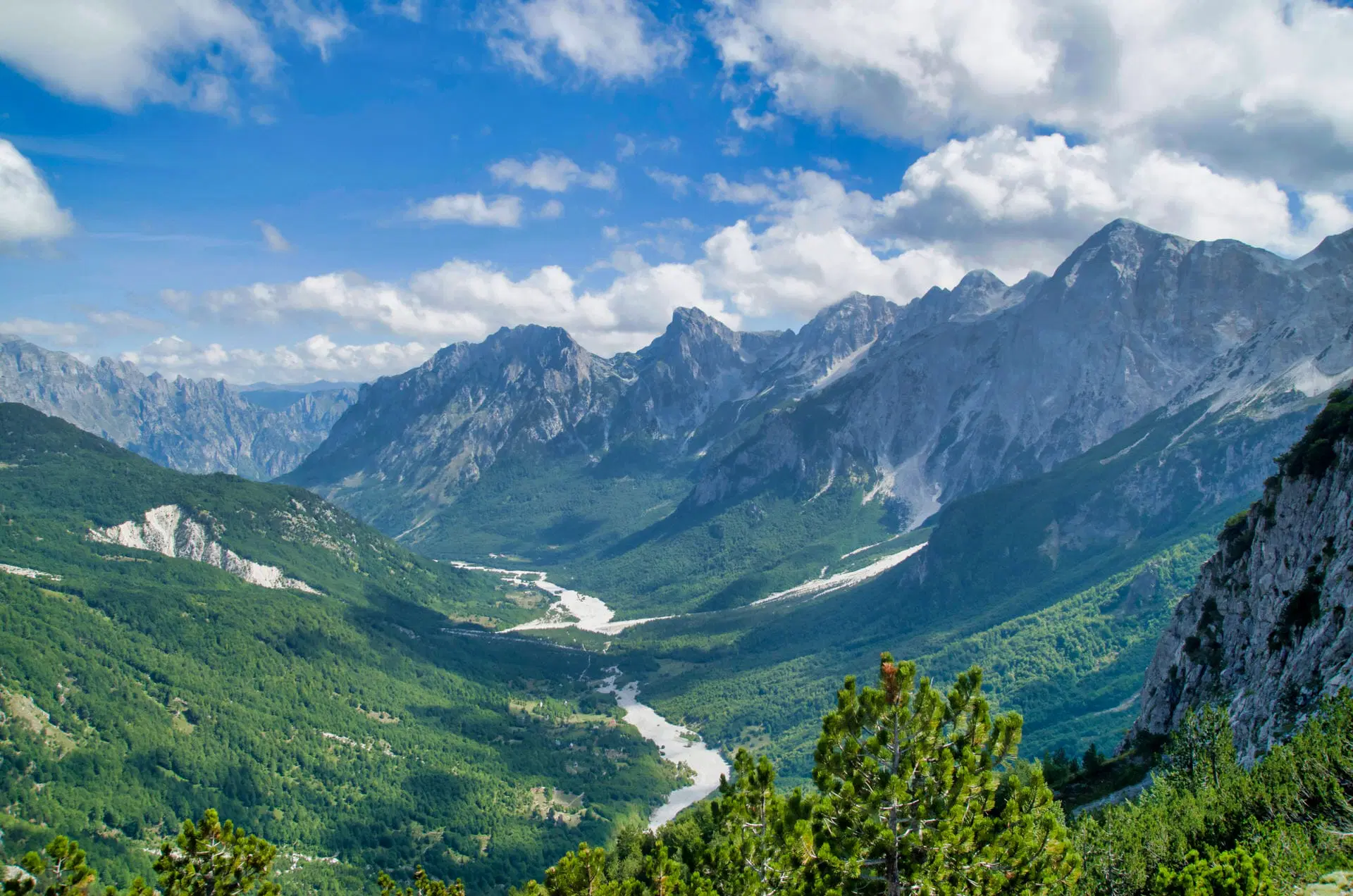
While the southern coast offers sun-drenched relaxation, Albania's northern border presents an entirely different kind of grandeur. Don’t let the dramatic name fool you; the Accursed Mountains, also known as the Albanian Alps, are a breathtaking paradise for hikers. With soaring limestone peaks and deep, lush valleys, this region offers some of the most spectacular and accessible trekking in all of Europe, feeling a world away from the Riviera’s beaches.
The region’s classic journey is the stunning one-day hike between the villages of Valbona and Theth. This well-trodden path takes roughly six to eight hours to complete, guiding you over a mountain pass that reveals jaw-dropping views at every turn. You’ll walk through alpine meadows and ancient beech forests, with the dramatic, craggy landscape unfolding around you. It’s a challenging but completely manageable day hike for anyone with a decent level of fitness.
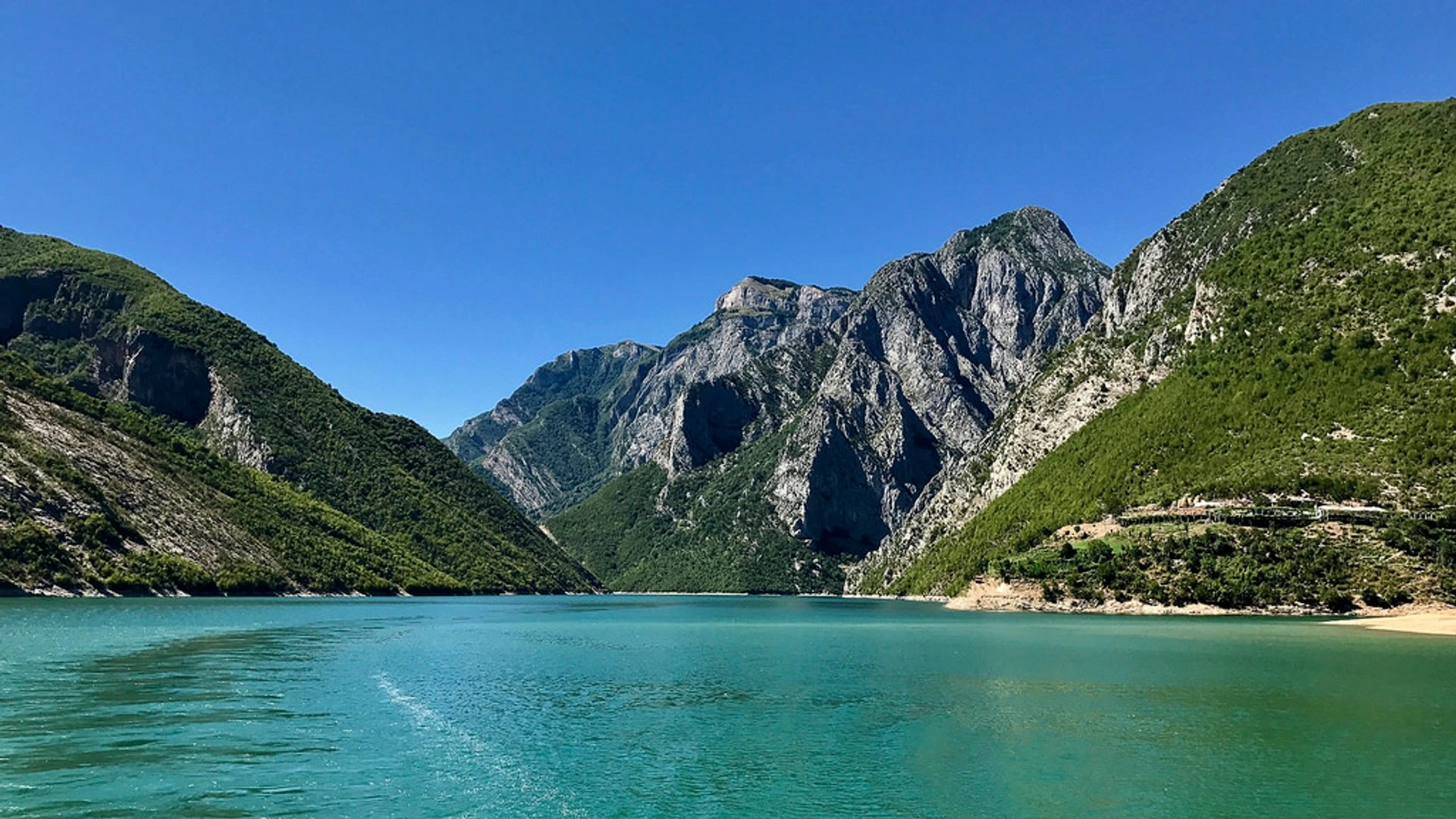
Part of the magic, however, is simply getting there. Most treks begin with a spectacular ride on the Lake Koman Ferry, a passenger boat that glides for hours through a dramatic, fjord-like reservoir. It’s frequently called one of the world's most beautiful boat trips and serves as the perfect prelude to the mountain scenery, taking you from the city of Shkodër toward the Valbona trailhead.
Planning this adventure is easier than you might think, and you won’t need to carry a heavy pack. Simply book your family-run guesthouses in Valbona and Theth in advance. For a small fee, your hosts can arrange for a mule to transport your main luggage over the pass, leaving you free to enjoy the epic landscape with just a light daypack. It's the ultimate way to experience this unforgettable scenery, uncovering yet another of Albania’s wild, natural wonders.
What Is the Blue Eye? Uncovering Albania's Magical Natural Spring
Just a short drive from the coastal city of Sarandë lies a natural wonder that feels like something out of a fairytale. Known in Albanian as Syri i Kaltër, or "the Blue Eye," this isn't a lake or a river but something far more unusual. It’s a natural artesian spring where fresh water pushes up from a massive underwater cave with incredible force. The result is a hypnotic pool of water so clear and vividly colored that it seems to stare right back at you, a perfect destination for one of your Sarandë day trips.
The magic of the Blue Eye comes from its distinct, mesmerizing features. The center of the spring is a deep, dark sapphire—the "pupil"—from which the water bubbles up. This transitions to a vibrant turquoise and electric blue around the edges, forming the "iris." What truly adds to its mystique is its depth; divers have descended over 50 meters (164 feet) and have still not reached the bottom of the karst-rock cave. Even on the hottest summer day, the water remains a constant, icy 10°C (50°F), a testament to its subterranean origins.
Because of its breathtaking beauty, the Blue Eye is an incredibly popular spot. For the best experience, try to visit early in the morning on a sunny day. You’ll not only beat the crowds but also witness the sunlight hitting the water at just the right angle, making the otherworldly colors appear their most brilliant. After marveling at this natural phenomenon, you're perfectly positioned to explore some of Albania's man-made wonders, which feel just as ancient and mysterious.
More Than Just Beaches: How to Time-Travel Through Albania's Ancient Cities
Beyond its natural wonders, Albania offers a journey through layers of human history that feel just as wild and undiscovered. A prime example is Butrint, a UNESCO World Heritage site just a stone's throw from the coast. When exploring the ancient city of Butrint, you’re not just seeing Roman ruins; you’re walking through a 2,500-year-old metropolis. In a single afternoon, you can wander from a Greek amphitheater to a Roman forum and then to a grand Christian basilica, all overgrown with lush greenery, making you feel like a true explorer.
Further inland, the "Stone City" of Gjirokastër offers a different kind of time travel. This stunningly preserved Ottoman town, also a UNESCO site, appears to cascade down a mountainside, with imposing stone-roofed houses that create a landscape of silver-gray. Overlooked by a massive castle, its steep cobblestone streets and bustling bazaar give you a genuine glimpse into a bygone era. It's a city that feels both grand and lived-in, a place where history isn't just in a museum—it's all around you.
But Albania's history has a much more recent, and peculiar, chapter. As you travel, you'll inevitably notice them: small, concrete, mushroom-shaped domes dotting fields, beaches, and mountainsides. The history of these communist-era bunkers is a fascinating tale of national paranoia. The country's former dictator, Enver Hoxha, built over 170,000 of them in fear of an invasion that never happened. Today, they stand as silent, surreal monuments to a period of total isolation.
This legacy of isolation might suggest a closed-off and wary culture. Yet, visitors often find the exact opposite to be true, experiencing a level of warmth and generosity that feels worlds away from the country's guarded past.
Is Albania Safe? Understanding the "Besa" Code and Why Solo Travelers Feel Welcome
That history of isolation often leads to a natural question: is Albania safe? For visitors, the answer is a resounding yes. While statistics show low rates of violent crime, the country's most powerful safety feature isn't found in a police report—it’s woven directly into the cultural fabric. This is especially true for solo travelers, who often report feeling surprisingly secure.
At the heart of this welcoming atmosphere is Besa, a profound code of honor that translates to "keeping the promise." This ancient principle obligates Albanians to protect and care for any guest, treating their safety as a sacred duty. This isn't just a quaint idea; during World War II, thousands of Jewish refugees were sheltered and saved by Albanian families who, citing Besa, considered it their responsibility to protect them.
For a visitor today, this deep-rooted custom translates into an incredible sense of hospitality. Understanding the local culture reveals that if you are lost or need help, a stranger is more likely to treat you like a distant cousin than an inconvenience. This social safety net creates an environment where asking for directions can easily turn into an invitation for coffee.
Ultimately, this culture of hospitality is what truly defines the experience of safety in Albania. It transforms the journey from a simple tour into a genuinely human connection. This welcoming spirit makes exploring the country a uniquely reassuring adventure, even when navigating its distinct public transport system for the first time.
How to Explore Albania Without a Car: A Guide to Furgons and Ferries
Getting around Albania without a rental car is not only possible but is often part of the authentic local experience. The country is connected by a surprisingly efficient network of shared minibuses called furgons. These vans, which function like large communal taxis, are the go-to public transport for locals and savvy travelers alike, linking big cities to small mountain villages and coastal towns.
Navigating the furgon system is straightforward once you know the unwritten rules. There are no formal schedules or online booking; instead, it works on a simple three-step process:
Find the local furgon station (ask for the “stacioni i furgonave”).
Look for the van with your destination written on a sign in the window.
Pay the driver directly in cash (Albanian LEK or sometimes Euros) and grab a seat. The van departs once it’s full.
This system easily covers major routes, making the scenic journey from Tirana to Sarandë entirely manageable. But furgons aren't the only adventure in transport. For a truly spectacular trip, the Lake Koman ferry in northern Albania is a must. More of a scenic cruise than simple transport, it glides through a dramatic, fjord-like canyon. It’s a powerful reminder that in Albania, how you get there is often just as incredible as the destination itself.
Your Albanian Adventure Awaits: A Simple Plan to Get Started
The question is no longer if you should visit Albania, but how. What was once a blank spot on the map is now a tangible landscape of turquoise waters, ancient castles, and incredible hospitality.
So, what is the best time to visit for this adventure? Aim for the shoulder seasons of May, June, or September to enjoy perfect weather without the peak summer crowds. The cost of a one-week trip to Albania is a fraction of a typical European holiday; you could easily fly into Tirana, spend several days on the sun-drenched Riviera, and explore the ancient city of Gjirokastër for under €600 per person.
Start with a simple choice to focus your adventure: will it be the brilliant coast or the dramatic mountains? Once you decide, your path becomes clear. Albania is ready for its close-up, and it’s waiting for you to discover it.
Keep Reading
Related Articles